What is Giftedness?
Giftedness is a high level of natural ability or potential in one or more areas such as intellectual, creative, artistic,
or leadership capacity, or in specific academic fields.
Giftedness is a multidimensional concept. It means having advanced abilities
or potentials that are above average in areas like thinking, creativity, arts, leadership, or academics.
Giftedness means that students learns and understands some things faster or in a deeper way than most students of their age.
They might be really curious, ask lots of questions, remember things easily, or be really good at a subject like math,
reading, or art. It doesn’t mean they’re better at everything, just that their brain works in a special way in certain areas.
They may need extra challenges at school or at home to stay interested and committed to the learning journey.
Key Points For Parents:
- Giftedness is about potential, not perfection.
- Students can be gifted in different ways—not just in school subjects.
- Emotional support is important, because gifted students may feel different from their peers.
- Encouragement and challenge help them thrive, rather than just praising them.
- Foster curiosity, not just achievement
- Monitor stress and perfectionism
Gifted, near-gifted,
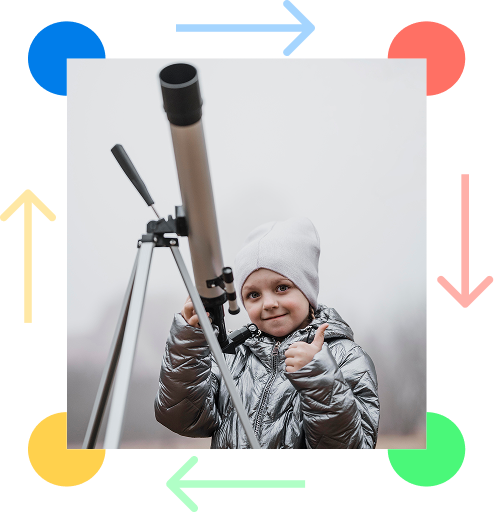
and talented students are rare, and their unique abilities can often go
unnoticed in typical classrooms.
This assessment is perfect for pre-teens and teens who show
advanced thinking, creativity, curiosity, or problem-solving skills.
This helps create a personalized learning plan that nurtures their talents while supporting any challenges.
Grounded in research and practical educational models, it identifies each student cognitive strengths
and learning style.
This program is ideal for:
- Students who think differently, solve problems creatively, or show curiosity beyond their grade level.
- Parents and educators who want to understand and nurture a child’s unique abilities.
- Students who enjoy challenges and want to explore their own thinking styles and strengths.





Find Out How Your Child Learns Best Take The Test.
Indications of Giftedness (Ages 10–17)
Gifted preteens and teenagers often show a distinctive mix of intellectual, emotional, and creative strengths.
While each individual is unique, some common characteristics may include:
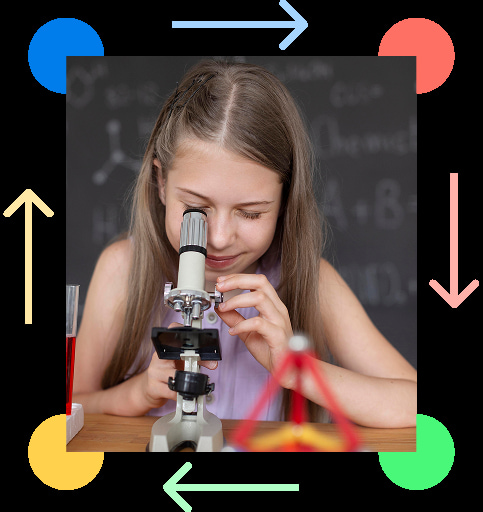
- Exceptional Exceptional memory and the ability to grasp new concepts quickly memory and ability to learn quickly.
- Strong curiosity and a desire to understand how and why things work
- Advanced vocabulary, sophisticated verbal expression, or a love for reading
- Rich imagination and original ideas
- Creative problem-solving skills and the ability to think abstractly
- Deep emotional sensitivity and strong empathy toward others
- Heightened awareness of fairness, justice, or global issues
- Intense focus on specific interests, hobbies, or passions
- Preference for interacting with older peers or engaging in mature conversations
- Quick understanding of topics beyond grade-level expectations
- Expressing thoughts through innovative, artistic, or unconventional approaches
- Ability to retain and apply new information with minimal repetition
- Strong self-awareness and thoughtful reflection
- Enthusiasm for specialized, complex, or uncommon subjects
 Why Recognizing Giftedness in Ages 10–17 Matters
The pre-teen and teenage years are a critical
period of intellectual and personal development.
Recognizing giftedness during
this stage ensures that advanced abilities are not overlooked or misunderstood. High-ability learners often experience
complex academic, social, and emotional dynamics that require thoughtful guidance.
Why Recognizing Giftedness in Ages 10–17 Matters
The pre-teen and teenage years are a critical
period of intellectual and personal development.
Recognizing giftedness during
this stage ensures that advanced abilities are not overlooked or misunderstood. High-ability learners often experience
complex academic, social, and emotional dynamics that require thoughtful guidance.

- More complex academic material
- Opportunities for independent research
- Real-world problem-solving experiences
- More complex academic material
- Opportunities for independent research
- Real-world problem-solving experiences

- More complex academic material
- Opportunities for independent research
- Real-world problem-solving experiences